How Trump’s New Tariffs Will Reshape Warehouse and Fulfillment Management
The recent wave of tariffs imposed by the Trump administration including a 10% global tariff and reciprocal tariffs ranging from 11% to 50% on nearly 60 countries has sent shockwaves through global supply chains. While the political and economic implications dominate headlines, one industry stands at the epicenter of this disruption: warehousing and fulfillment management.
From surging warehouse demand to shifts in inventory strategies, these tariffs are forcing logistics providers, retailers, and manufacturers to rethink their operations. Here’s a deep dive into how the new trade policies will transform the warehouse and fulfillment sector and what businesses can do to adapt.
1. The Rush to Stockpile: From Just-in-Time to Just-in-Case
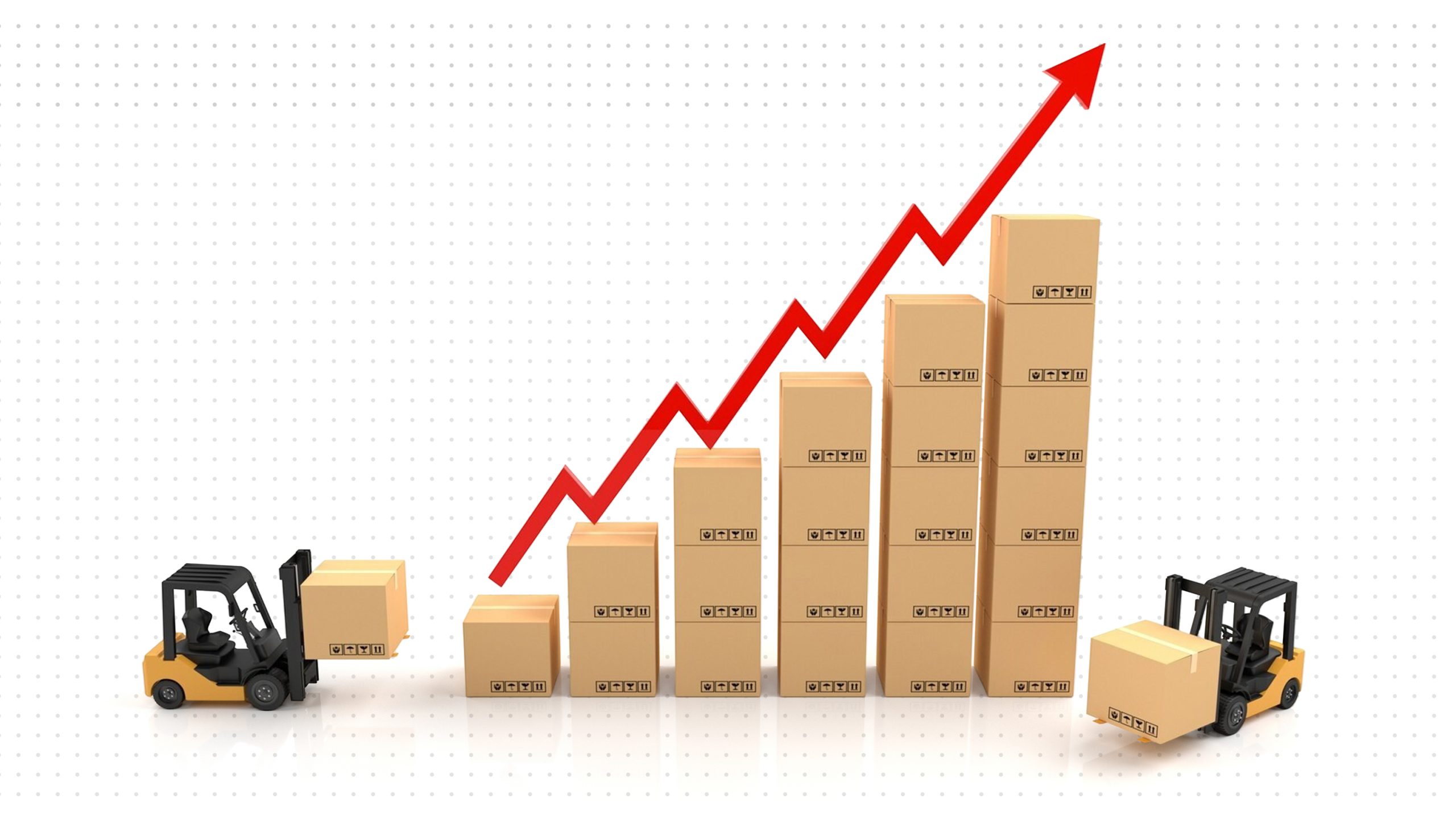
One of the most immediate effects of the tariffs is the shift from Just-in-Time (JIT) to Just-in-Case (JIC) inventory models. Companies that once relied on lean supply chains are now stockpiling goods to avoid future tariff hikes, leading to a surge in warehouse demand.
- Warehouse occupancy rates are skyrocketing, with some logistics hubs reporting record-high leasing activity ahead of the April 5 and April 9 tariff deadlines.
- 3PLs (Third-Party Logistics providers) are seeing increased demand for flexible storage solutions as businesses scramble to secure space for excess inventory.
- Retailers and manufacturers are front-loading shipments, causing a temporary spike in freight volumes followed by an expected sharp decline in Q2 imports.
Pro Tip: Companies must expand warehousing capacity or partner with 3PLs that offer scalable storage solutions to handle fluctuating inventory levels, let us know if you want to get in touch.
2. The Rise of Nearshoring & Decentralized Warehousing
With tariffs making imports from China and other key trade partners significantly more expensive, businesses are accelerating nearshoring efforts moving production closer to the U.S. to reduce costs and lead times.
- Mexico and Canada are emerging as preferred alternatives, thanks to USMCA exemptions (though non-compliant goods still face a 25% tariff).
- Decentralized warehousing networks, including Forward Stocking Locations (FSLs), are gaining traction to minimize last-mile costs and bypass tariff-heavy imports.
- E-commerce giants like Shein and Temu are reportedly expanding U.S.-based fulfillment centers to avoid cross-border shipping delays and new de minimis rule changes.
3. Automation Slowdown vs. 3PL Growth
While warehouse automation has been a growing trend, the new tariffs are creating investment hesitancy particularly due to a 25% steel tariff that increases the cost of automation equipment.
- High capital expenditures (CapEx) for automation are being delayed as companies adopt a “wait-and-see” approach to trade policy.
- 3PLs, however, are thriving, as businesses outsource logistics to experts who can navigate tariff complexities and optimize supply chains.
- Flexible automation solutions (like autonomous mobile robots (AMRs) are still in demand, as they require less fixed infrastructure and can adapt to changing inventory needs.
4. E-Commerce & the De Minimis Dilemma
A major game-changer for e-commerce fulfillment is the suspension of the de minimis exemption for Chinese goods (effective May 2, 2025). This rule previously allowed sub-$800 shipments to enter the U.S. duty-free, but now:
- Chinese e-commerce sellers will face higher costs and customs delays, forcing them to shift to U.S. fulfillment centers.
- Last-mile logistics providers must prepare for stricter packaging standards, as small, lightweight parcels (common in de minimis shipments) often cause sorting issues.
- U.S. retailers may gain a competitive edge as Chinese fast-fashion brands lose their pricing advantage.
5. Rising Costs & the Need for Smarter Inventory Management
With tariffs increasing import costs by up to 104% for China and 46% for Vietnam, businesses must optimize inventory management to avoid unnecessary expenses.
- Demand forecasting tools and real-time inventory tracking are becoming essential to prevent overstocking or shortages.
- Freight consolidation and cross-docking strategies can help reduce transportation costs amid volatile shipping rates.
- Reverse logistics will play a bigger role as companies return or redistribute excess stock tied up in tariff-related stockpiling.
Pro Tip: Adapt or Fall Behind
The Trump tariffs are not just a trade policy shift they’re a supply chain revolution. Warehousing and fulfillment managers must act quickly to:
Expand storage capacity for JIC inventory surges.
Diversify sourcing to nearshore or domestic suppliers.
Leverage 3PLs and automation to balance cost and efficiency.
Optimize e-commerce fulfillment for a post-de minimis world.
The companies that adapt proactively will not only survive but thrive in this new era of trade uncertainty.

Leave a Reply