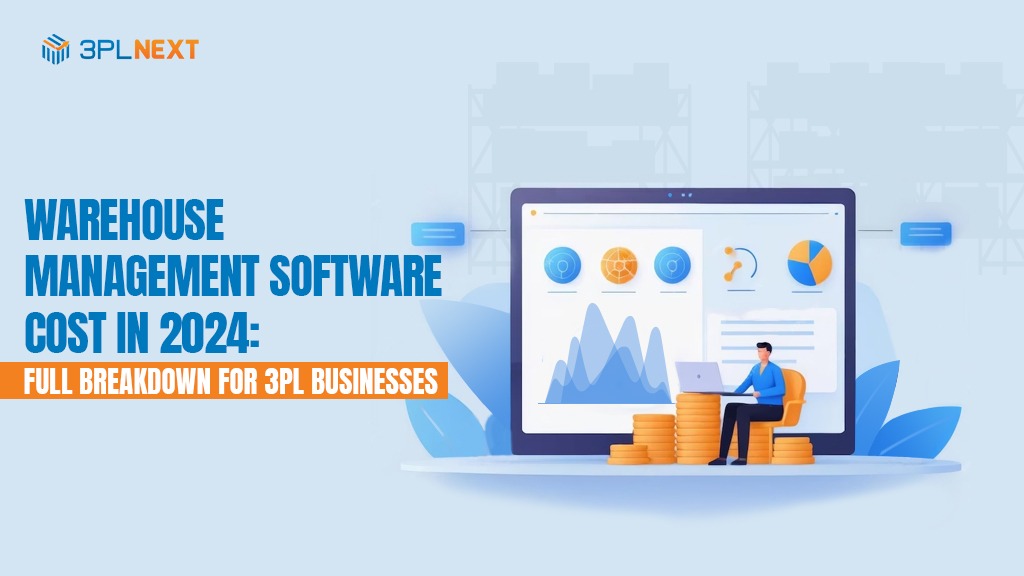
Warehouse Management Software Cost in 2024: Full Breakdown for 3PL Businesses
In the fast-paced world of logistics, can any 3PL business afford inefficiency? As the industry evolves, adopting the right 3PL management software is no longer optional—it’s a game changer for streamlining operations.
But before you pick a software, you need to understand the costs involved. In this guide, we’ll break down the pricing of 3PLNext’s software, helping startups, SMEs, and large enterprises find the perfect fit for their unique needs.
How Much Does 3PL Management Software Cost – Ballpark Figure
3PLNext offers highly competitive pricing compared to industry averages. Based on an analysis of over 100 solutions listed on platforms like Capterra and TrustRadius, the average cost for 3PL management software is around USD $200 per user license per month.
However, depending on their specific needs, businesses need to factor in additional costs such as setup, support, and integrations.
For example:
- Customer Support Packages: Typically range from USD $100 to $300 per month for dedicated support.
- Setup Fees: Basic onboarding starts at USD $1,000, with advanced integrations like custom API development reaching up to USD $50,000.
Compared to these rates, 3PLNext offers much more affordable pricing. Plus, its customer support is free of any additional charges.
Compared to Mintsoft, Extensiv, and ShipHero, 3PLNext stands out for its flexibility in scaling and custom solutions, especially in complex multi-channel environments.
Warehouse Management Software Cost Ranges
Here’s a breakdown of typical price ranges in the industry:
Low-Cost Warehouse Management Software
Small Scale Solutions
For smaller 3PL providers, Mintsoft offers low-cost plans starting around $100/month, with basic features like inventory tracking and order management. While affordable, these plans are limited in custom integrations and scalability, which is a drawback for growing businesses.
Mid-Range Solutions
Mintsoft offers mid-range packages starting from $800/month. depending on the complexity of your operations and user base. Extensiv falls into a similar range but can become more expensive due to additional API integrations and reporting modules costs.
Enterprise-Level Solutions
Standard pricing starts at $10,000/month for larger enterprises but increases with custom implementations and advanced features. 3PLNext, in contrast, offers a more affordable enterprise solution without compromising on performance or scalability, making it a strong competitor.

15 Factors That Influence Warehouse Management Software Cost
When selecting a 3PL management software, consider these factors that can impact your costs:
- Accounting Add-Ons: Some systems require additional fees for integration with accounting platforms. 3PLNext offers integrated solutions at no extra cost, unlike Mintsoft, which charges for accounting add-ons.
- On-Demand/Pay To Use: You also need to determine if optional modules are not included in the base software package that may enhance functionality but come at an extra inventory management software price.
- Number of Users: User licenses can add up as your team expands. ShipHero tends to have higher per-user costs compared to 3PLNext, which offers scalable pricing for growing teams.
- Customization: Tailored workflows and dashboards may increase the cost. While Extensiv is known for advanced customization, it comes at a high premium, whereas 3PLNext delivers customizable solutions without such excessive fees.
- High Volume of Orders: Evaluate the average volume of inventory your business handles, as some systems may charge extra for higher usage or additional API calls to other systems.
- Number of Orders Received: Similarly, assess the average number of orders received, which can affect pricing tiers or additional transactional volume charges.
- Customer Support: Mintsoft provides basic support at lower costs, but advanced support options can be pricey.
In comparison, 3PLNext offers unconditional support packages that provide more flexibility. This helps businesses to choose the support level that meets their operational needs at no additional cost.
3PLNext offers all-inclusive packages, and our customers receive full support no matter how big or small their concerns are.
- Data Migration & Cleanup: There are always costs related to migrating existing data into the new system and cleaning up data inconsistencies or inaccuracies to ensure data integrity.
- Customization: Assess whether customization is necessary to adapt the software to your business’s unique requirements. This may involve additional development or consulting fees.
- Compliance Requirements: You also need to factor in any regulatory or compliance requirements specific to your industry or region, ensuring the chosen software meets these standards without incurring penalties or fines.
- Business Operations: All additional costs associated with preparing a business for software implementation, such as optimizing internal processes, training staff accustomed to SaaS products, and configuring internal systems, should be factored in.
- Scalability: Finally, consider the scalability of your chosen solution to accommodate future growth or changes in business needs, minimizing the need for costly system migrations or upgrades over time.
3PLNext wins hands down due to its scalable software modules. Whether you have one warehouse or more than 10, all your data is synced in one place, showing the status of each warehouse accordingly without any disruption. This scales up with expanding business operations.
How Much Effort Does It Take to Implement and Deploy?
Implementing 3PL software takes an average of 12 to 16 weeks. With 3PLNext, the process can be completed efficiently within this timeframe, depending on your chosen deployment method.
Offshore Tech Partner
For enterprises requiring complex integrations, 3PLNext offers offshore tech partnerships with development rates starting at reasonable rates. ShipHero also uses this model but tends to be pricier for similar services.
Vendor Onboarding
For smaller firms, Mintsoft offers vendor-led onboarding. However, the predefined packages can limit flexibility. 3PLNext provides more hands-on assistance, ensuring a smoother and more customized onboarding process.
Hybrid
Extensiv promotes a hybrid approach that blends internal and external resources. While effective, this can become cost-prohibitive for smaller businesses. 3PLNext offers a more cost-efficient hybrid option, making it accessible to a wider range of businesses.
Finding the Right Fit for Your Business
To find the best warehouse management software, aligning your choice with your business’s specific needs is essential. Here’s how 3PLNext compares with competitors:
- Mintsoft: Ideal for small businesses but lacks the advanced features and customizations needed for complex operations.
- Extensiv: has good reporting and advanced features, but the higher price tag makes it more suitable for large enterprises.
- ShipHero: is great for high-volume e-commerce businesses but is very costly for smaller 3PLs.
- 3PLNext: Balances customization, cost, and scalability, making it a top choice for both growing businesses and large enterprises.

Finding the Right Fit for Your Business
Finding the right warehouse management software for your business can seem impossible.
Here are a few tips to help you navigate the selection process
- Assess Your Needs: Identify your business’s specific warehouse management challenges and prioritize the essential features for addressing them.
- Research Thoroughly: Explore multiple vendors, read reviews, and request demos to see the software’s capabilities firsthand.
- Total Cost of Ownership: Look beyond the initial price tag and factor in additional costs such as implementation, training, and ongoing support.
- Seek Scalability: Choose a solution that can grow with your business to avoid the hassle of switching systems down the line.
How Do I Get Started?
If you’re ready to take the next step with 3PL warehouse management, consider booking a consultation with a 3PLNext expert to discuss your unique business requirements. You’ll receive tailored recommendations to help optimize your operations without exceeding your budget.
To request a demo with our consultant, click here
Additional Inventory Software Cost
Customer Support
Support costs for warehouse management systems can vary and are often not included in the base package.
These costs may encompass customer service, technical assistance, cloud storage, and future upgrade expenses, all of which may incur separate charges.
3PLNext is the only software that includes all of these typically considered add-ons as part of its comprehensive service package.
Software Costs
Warehouse management systems cover a broad spectrum of business functions.
However, they may not encompass all requirements, especially for SMEs.
Thus, additional software purchases may be necessary to complement the inventory management system.
3PLNext’s scalable system is suitable for SMEs as it allows them to purchase a basic software and scale up as they expand
Third Party Platforms
When selecting your warehouse management system, it’s important to think about the other platforms or functions it needs to integrate with. These choices can significantly impact the total cost of your software.
For example, will you use it with:
- Shopify
- Amazon
- Walmart
- BigCommerce
- Magento
3PLNext supports all of these popular platforms.
How Much Does Warehouse Management Software Cost – FAQs
What is a low-cost warehouse management software?
A low-cost warehouse management software is a budget-friendly solution designed to meet the needs of small to medium-sized businesses. You can test any free trial SaaS vendor as well.
Which software to use for warehouse management under $100
For warehouse management under $100, consider options like Zoho Inventory, inFlow Inventory, or Stockpile.
Can warehouse management software help reduce costs?
Yes, warehouse management software can contribute to cost savings by optimizing inventory levels, reducing stockouts and overstock situations, and improving operational efficiency.
Is warehouse management software suitable for small businesses?
Yes! Many warehouse management software providers offer solutions tailored to small businesses’ needs and budget constraints. To get started, look for options with scalable pricing plans and features.
How often should I review my warehouse management software?
It’s advisable to conduct regular reviews of your warehouse management software to ensure it continues to meet your evolving business needs.
Factors such as business growth, changes in market dynamics, and technological advancements all affect your business.


Leave a Reply