
Overcoming Inventory Visibility Challenges in Multi-Warehouse Operations
Managing inventory across multiple warehouses is not an easy feast. Whether you’re overseeing several distribution centers, regional warehouses, or retail locations, maintaining accurate and real-time inventory visibility is crucial. Without it, fulfillment slows down, errors increase, and customer satisfaction takes a hit.
Today we break down the common challenges organizations face in multi-warehouse environments and how the right technology can help overcome them.
Understanding Inventory Visibility in Multi-Warehouse Environments
Inventory visibility simply refers to your ability to know what stock you have, where it is placed, and how it’s moving at any given moment. In a single warehouse, this may seem straightforward. But when you’re dealing with numerous locations, distribution centers, and retail outlets, visibility becomes much more difficult to maintain.
In a multi-warehouse setup, a clear overview helps businesses:
- Make faster fulfillment decisions
- Avoid costly stock discrepancies
- Improve shipping accuracy and delivery promises
- Understand real-time demand at each location
- Keep customers informed with accurate availability
Ultimately, inventory visibility ensures that stock is placed where it’s needed most and orders are fulfilled with maximum efficiency.
Common Inventory Visibility Challenges
As warehouse networks grow, operational blind spots tend to emerge. Businesses across industries often face the same obstacles within their multi-warehouse frameworks.
One of the biggest challenges is the absence of real-time data across locations. When warehouse staff rely on outdated information, they risk sending orders from the wrong warehouse or assuming that inventory is available when it isn’t. This disconnects leads to delayed fulfillment and disappointed customers.
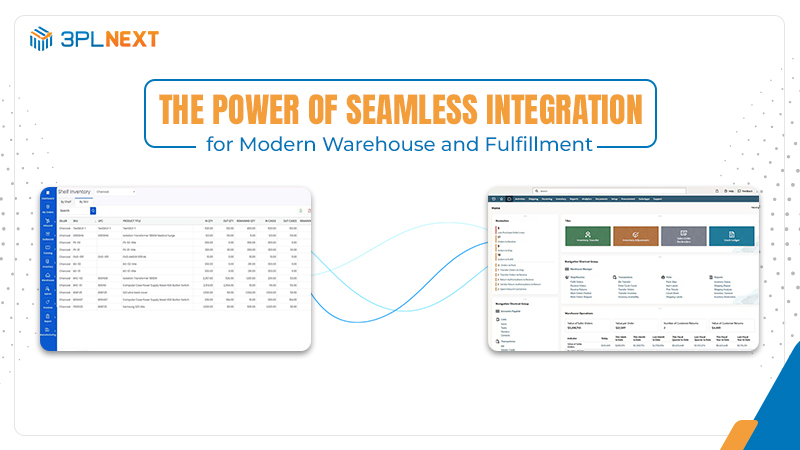
Another issue arises from disconnected systems. Many companies still operate with a combination of spreadsheets, legacy software, and isolated tools that don’t communicate with each other. Without a centralized hub to synchronize data, inconsistencies become inevitable. Each location may maintain its own records, but without unified visibility, decision-making becomes slow and uncertain.
Inventory inaccuracies further complicate the process. Errors in manual data entry, labeling, or counting can lead to stock discrepancies that ripple across the network. Even minor mistakes can result in overstocking, stockouts, or unnecessary replenishment—ultimately increasing operational costs and reducing customer satisfaction.
Together, these challenges create fragmented operations that struggle to keep up with demand, creating inefficiencies that compound as warehouse networks expand.
Strategies to Improve Inventory Visibility
Overcoming these challenges requires a cohesive mix of technology, process optimization, and data centralization. One of the most effective ways to enhance visibility is by implementing a centralized inventory management system. With a unified platform like 3PLNext, all warehouses operate from the same real-time data, ensuring everyone from warehouse teams to management has accurate insight into stock levels.
Modern technology also plays a significant role in reducing human errors. Barcode and RFID scanning enable teams to track items instantly throughout the receiving, picking, and packing stages. By minimizing manual entry, these tools improve accuracy and speed, creating a more reliable data flow across each location.
Integrating real-time data streams across multiple warehouses is equally essential. IoT devices, sensors, and automated tracking tools help businesses monitor stock movement and warehouse activity around the clock. This continuous flow of information keeps operations responsive and prevents minor issues from escalating.
Automation and smart warehouse management systems are transforming visibility. Automated tracking reduces the burden on warehouse workers while analytics and data help forecast demand and identify potential disruptions before they occur. Whether it’s replenishing stock or adjusting order routing, automated systems ensure operations run smoothly without constant human oversight.
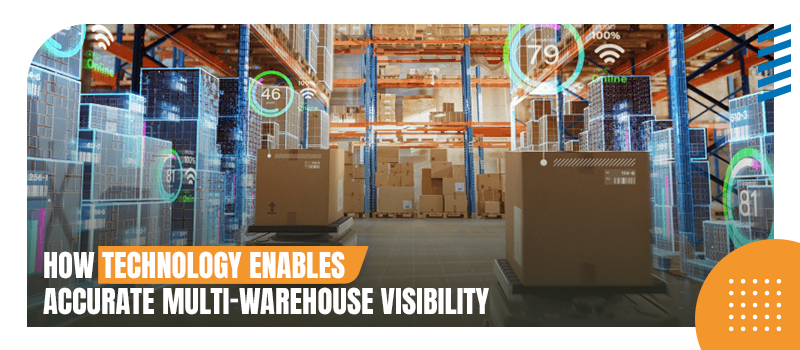
How Technology Enables Accurate Multi-Warehouse Visibility
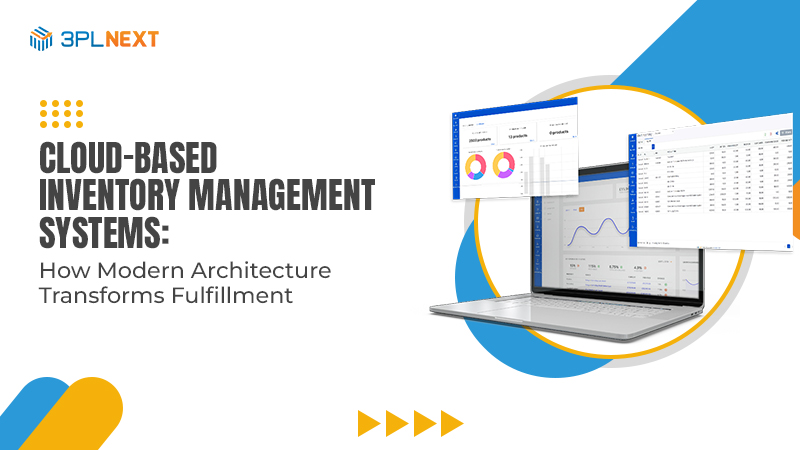
Technology is no longer a luxury in warehouse operations—it’s the backbone of effective visibility. Cloud-based solutions, in particular, have revolutionized the way multi-warehouse environments operate. Instead of maintaining separate on-site systems at each location, businesses can now access a centralized cloud platform that synchronizes all data in real time. This creates transparency across the network and eliminates the limitations of siloed systems.
Additionally, integrations allow managers to monitor warehouse activity with unprecedented accuracy. Stock levels, movement, and even environmental conditions can be tracked in real time, enabling faster decision-making and improved allocation of resources. With the right technology in place, multi-warehouse operations can shift inventory seamlessly between locations and respond instantly to fluctuations in demand.
Best Practices for Maintaining Inventory Accuracy
Sustaining visibility requires more than installing advanced systems it demands ongoing operational discipline. Regular audits and cycle counts remain essential for verifying system data and identifying discrepancies. By performing smaller, continuous checks throughout the year, organizations maintain higher accuracy and avoid the disruptive workload of annual inventories.
Setting automated alerts for low stock levels also ensures warehouse teams take action at the right time. With real-time notifications, decision-makers can quickly assess whether to transfer stock from another warehouse or initiate replenishment. These small but important actions help operations stay agile and prevent fulfillment delays.
Finally, effective visibility depends heavily on people. Training warehouse teams to use inventory management systems, scanning devices, and automated workflows is crucial. Employees must understand how to enter data correctly, interpret reports, and navigate the system confidently. Continuous training and refresher sessions keep processes consistent and ensure new features or updates are fully adopted.
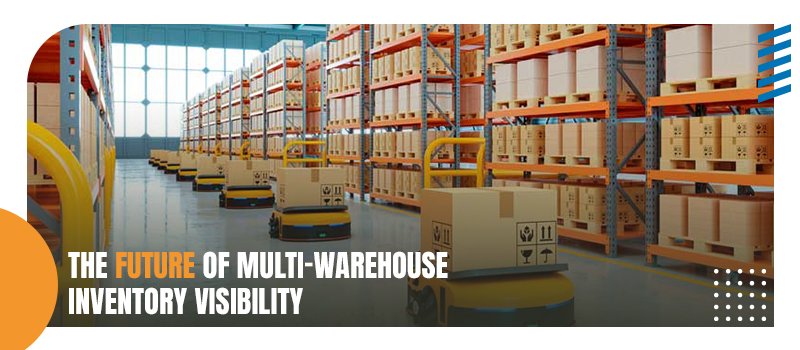
The Future of Multi-Warehouse Inventory Visibility
The future of inventory management is closely tied to automation and unified digital ecosystems. As global supply chains grow more complex and omnichannel demands continue to rise, businesses will need centralized platforms that offer end-to-end visibility across their networks. Reliance on outdated systems will no longer be sustainable.
More retailers and brands are also turning to third-party logistics (3PL) partners to manage their inventory more efficiently. For 3PLs, this shift underscores the need for advanced, cloud-based technology that supports seamless multi-warehouse operations and real-time visibility at every step of fulfillment.
With global e-commerce expected to continue its rapid growth in the coming years, the importance of real-time, automated inventory visibility will only increase. Multi-warehouse operations that embrace modern technology today will position themselves for long-term success and scalability.
Empower Your Multi-Warehouse Operations With 3PLNext
Advanced inventory visibility is no longer an option, it’s the foundation of efficient, scalable fulfillment. 3PLNext is built to deliver real-time transparency, streamlined workflows, and centralized control across all warehouse locations. From automated tracking to powerful analytics, our cloud-based WMS is designed to help businesses overcome visibility challenges and optimize their fulfillment operations from end to end.
If you’re ready to strengthen your multi-warehouse visibility and take control of your inventory performance, schedule a demo with 3PLNext today.



Leave a Reply