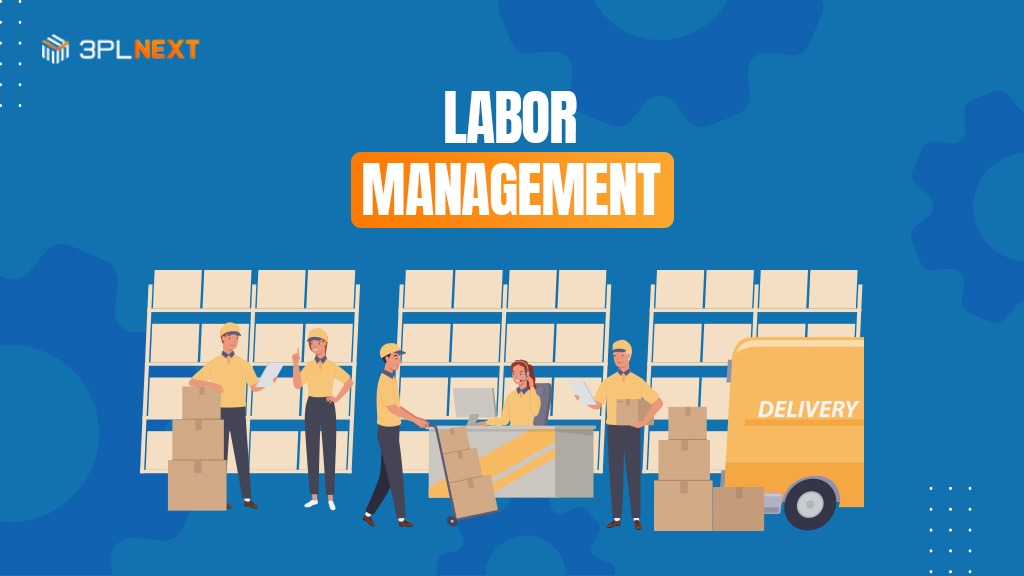
Labor Management in Warehousing
Labor management is a critical aspect of warehouse operations. Coordinating workforce activities, offering incentives, and ensuring that staff members receive adequate training can be quite challenging. Add in the complexities of fluctuating demand and technological advancements, and the task becomes even more daunting.
Effective labor management requires tailored strategies that optimize workforce efficiency, address key challenges, and provide solutions that align with specific warehouse needs.
Importance of Labor Management
Efficient labor management is essential for reducing costs, scaling operations, and ensuring a safe and productive workplace.

- Cost Reduction: Aligning employee hiring with demand trends helps manage labor expenses by avoiding overstaffing. This reduces the cost burden of unnecessary labor, allowing warehouses to operate more cost-effectively.
- Operational Ease: Proper labor management ensures that the right number of skilled workers are available, which enhances productivity. Access to appropriate tools and technology can make this coordination much more efficient.
- Employee Satisfaction: Fair and unbiased management practices such as equitable performance evaluations, promotions, and incentives lead to greater employee satisfaction. A satisfied workforce is more likely to remain motivated and productive.
- Workplace Safety: A well-trained labor force is more aware of safety protocols, which improves overall workplace safety. Implementing comprehensive safety training also reduces the risk of accidents and injuries.
- Scalability: Effective labor management allows warehouse owners/managers to adjust workforce levels in response to fluctuating demand, enabling them to manage growth without operational disruptions.
Challenges in Labor Management
Despite its importance, managing labor efficiently comes with its own set of challenges.
- Workforce Scheduling: Creating balanced work schedules to meet fluctuating demand can be tricky. Errors in scheduling often result in either overstaffing, which drives up labor costs, or understaffing, which creates operational inefficiencies.
- Adaptability: With business growth and technological advancements, labor needs change. Ensuring the workforce can adapt to new tools and processes requires ongoing training and development.
- Training: While training is essential for building a skilled workforce, it is often time-consuming and expensive. Providing specialized, advanced training can be especially challenging for businesses with tight budgets or rapid growth.
- Employee Monitoring: Tracking workforce performance is necessary to maintain high productivity, but limited visibility into individual tasks can make monitoring difficult. This can lead to a lack of accountability and decreased efficiency.
- Safety Compliance: Managing workplace safety regulations while also focusing on labor productivity presents a difficult balancing act for many warehouse managers.
Solutions for Labor Management
To address these challenges, warehouses can implement various tools and strategies that streamline labor management and enhance workforce productivity.
- Automated Workforce Scheduling: Advanced scheduling systems use algorithms to match labor supply with demand, minimizing the risk of over or understaffing. Automation in this area also helps warehouse staff manage shifts efficiently, especially during peak times.
- Employee Monitoring Tools: Performance tracking tools provide greater visibility into workers’ tasks. Monitoring key metrics, such as picking and packing times, helps identify areas for improvement and ensures workers remain productive.
- Training Programs: Developing and delivering tailored training programs can equip employees with the skills they need to perform specific roles efficiently. Online training modules and continuous learning platforms help businesses stay competitive by ensuring their workforce remains up-to-date.
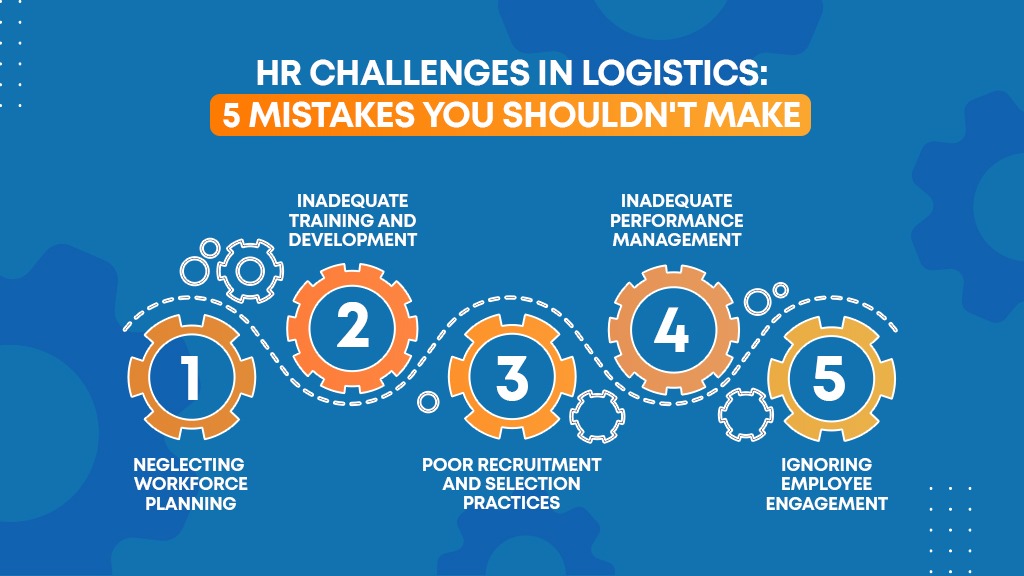
- Performance-Based Incentives: Implementing reward systems based on employee performance can boost motivation and satisfaction. Recognizing and rewarding hard-working employees encourages higher productivity and fosters a positive work environment.
- Scalability Solutions: Flexible labor management systems enable businesses to adjust workforce levels during periods of heightened demand. This ensures that companies can scale their operations efficiently without compromising productivity.
Conclusion
Optimal labor management is key to running efficient warehouse operations. Although warehouse owners/managers face several challenges, the right tools and strategies can overcome these obstacles. By focusing on efficient scheduling, monitoring performance, providing adequate training, and promoting a safe work environment, businesses can improve workforce productivity and maintain operational efficiency throughout fluctuating demands.




Leave a Reply