Personalization in Fulfillment: Tailoring Services to Exceed Customer Expectations
With customers becoming increasingly specific in their requirements, there is growing competition to offer personalization in fulfillment orders. This is vital to meet evolving consumer expectations and their demand for customized shopping experiences.
Today, we explore the importance of customization in fulfillment, the ideal strategies for achieving it, and its many benefits to consumers and producers alike.
Importance of Personalization in Fulfillment
Now that consumers are accustomed to personalized experiences in almost all spheres of their lives, with diverse customized offerings from music recommendations to customized shopping products, fulfillment cannot be an exception.
Customer expectations in fulfillment include proper packaging, implementation of their feedback, and a wide range of delivery options to suit multiple situations. Consumers want the businesses they choose to prioritize them.
To ensure customer satisfaction, it is crucial to tailor the delivery process to accommodate each individual consumer’s specific needs. In today’s market, customers demand not only prompt and dependable deliveries but also personalized attention. Failing to meet these expectations can result in negative reviews and lost customers.
Strategies for Personalizing Fulfillment
Personalized fulfillment has many advantages for both consumers and companies. For consumers, there are several delivery options to choose from, among other things, while companies benefit from revenue growth.
This calls for adaptive fulfillment strategies for personalization. Custom fulfillment solutions include a wide range of delivery options, custom packaging trends, delivery tracking and warehouse automation.
Warehouse Automation:
Warehouse Automation plays a key role in personalizing fulfillment. Automated systems such as robotic arms and conveyor belts speed up warehouse operations such as picking and packing, enabling much faster deliveries.
Fulfillment Management Software streamlines the whole process by incorporating supply management, processing and transport. This software reduces errors and improves fulfillment operations through automated management.
Tailored warehouse services adjust product handling, supply management and picking and packing operations as per unique business requirements.
Data-Driven Insights and Analysis:
Businesses must use data-driven insights to customize fulfillment efficiently. Companies then analyze consumer shopping habits and preferences and use these to tailor the fulfillment operation based on individual consumers. Advanced machine learning algorithms can study the analysis, enabling businesses to offer personalized recommendations and A great shopping experience.
Flexibility in Delivery:
Having a wide range of delivery options helps consumers choose what suits them best: 24-hour delivery, delivery within 48 hours, etc. Some services also offer alternatives, such as pickup points, to cater to consumers who are not at home to receive parcels during delivery hours.
Having this flexibility in delivery would help a company stand out from the competition. An ideal example is Amazon, which has set a really high delivery standard with its Prime service.
Customized Packing:
Unboxing parcels is a joyful experience for many shoppers. Hence, personalization should also be implemented in the packaging of items. Custom notes in parcels or personalized recommendations based on the consumer’s previous purchases also enhance consumer satisfaction.
Implementation of Consumer Feedback:
Actively seeking consumer feedback shows that companies are dedicated to improving consumers’ shopping experience and satisfaction. Several businesses have adopted this approach and are continually incorporating consumer feedback into their fulfillment operations.
Monitoring and Communication:
Another crucial component of personalized fulfillment is keeping consumers updated about the status of their orders. This is done by tracking parcel deliveries and actively communicating with the customer via email, text, or app regarding arrival time.
In the case of e-commerce, fulfillment personalization shapes the delivery experience as per individual consumer needs. This includes all of the above components and enhances the overall shopping experience.
Benefits of Personalized Fulfillment
Personalized fulfillment has many benefits, which include consumer satisfaction and loyalty, a competitive edge, and, most importantly, revenue growth.
Consumer Satisfaction and Loyalty:
When consumers receive their orders in a manner that suits their choices and preferences, they are more satisfied which results in positive feedback and reviews, and greater influx of orders.
Since they value the personalized service they receive, they make consistent purchases and tend to care less about the expense.
Operational Ease:
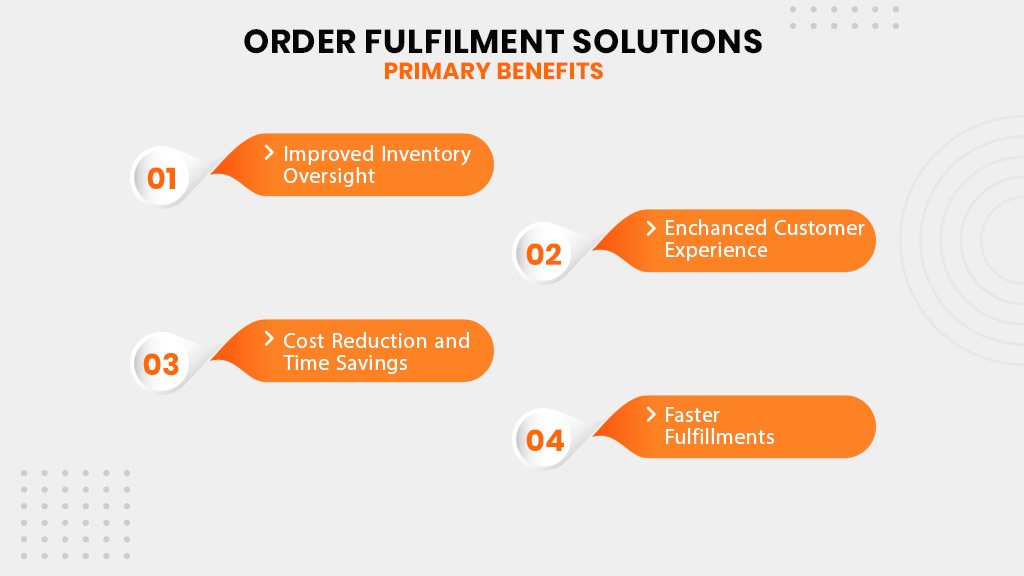
Personalized fulfillment can improve operations in various ways. Fulfillment process optimization is possible by using data to predict demand and optimize delivery routes. This enables businesses to reduce expenses associated with transport.
Competitive Edge:
Businesses that prioritize customer-centric fulfillment operations can distinguish themselves from the competition, i.e., companies that offer common, one-size-fits-all delivery services.
Revenue Growth:
Personalized fulfillment improves consumers’ shopping experience, which leads to an increase in revenue since satisfied and loyal customers are likely to make frequent purchases.
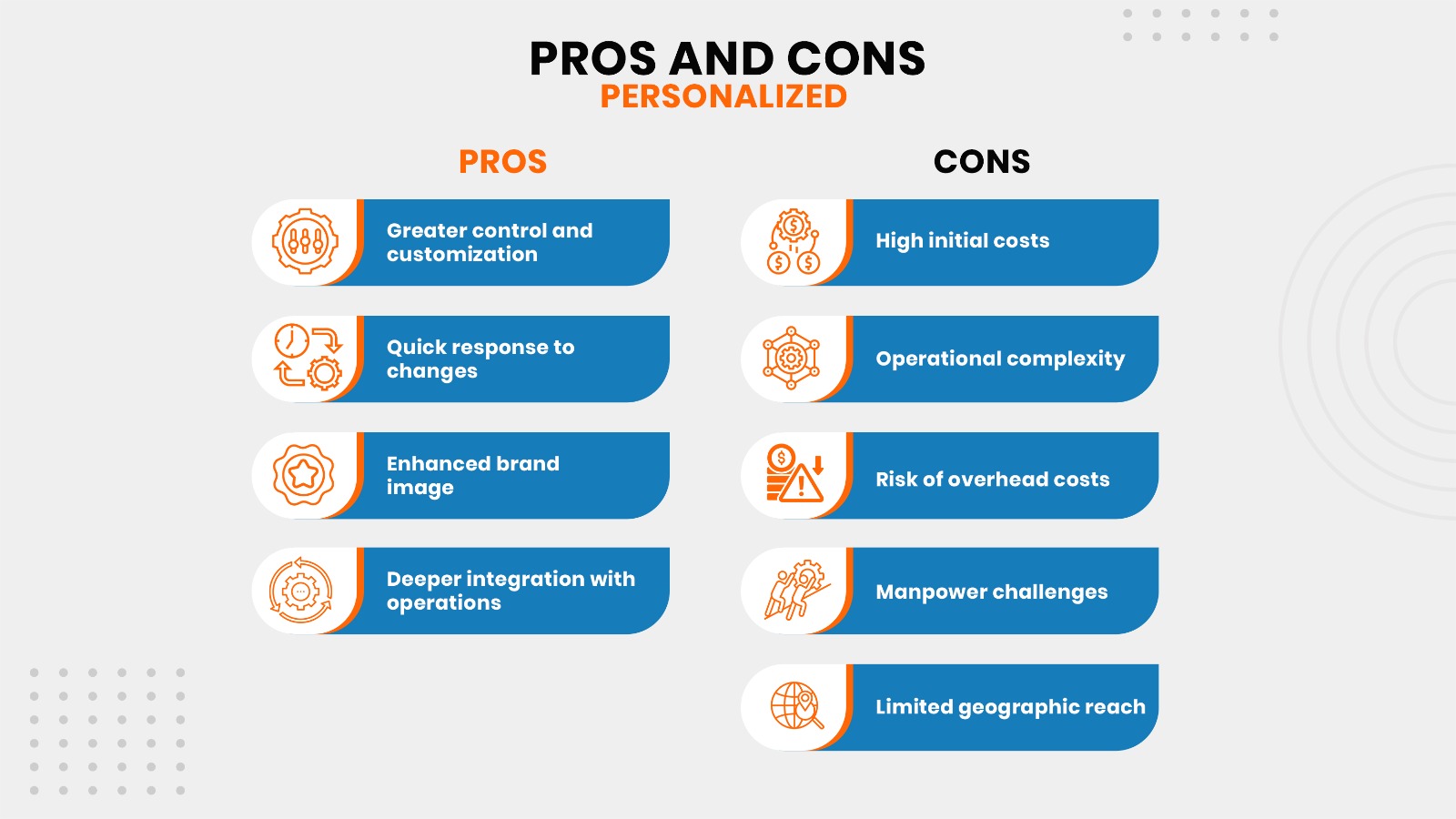
To sum up, it is reasonable to assume that for businesses today, personalization in fulfillment is no longer a choice or an option but rather a necessity to stay relevant in the fiercely competitive marketplace and to meet consumer demands and expectations.
Failing to adopt this would leave a company unable to compete effectively. Customers are likely to shift to businesses that provide more tailored and personalized services. Companies that offer more personalized experiences would outcompete those that are slow to adopt such practices, eventually forcing them out of the competition.

Leave a Reply